
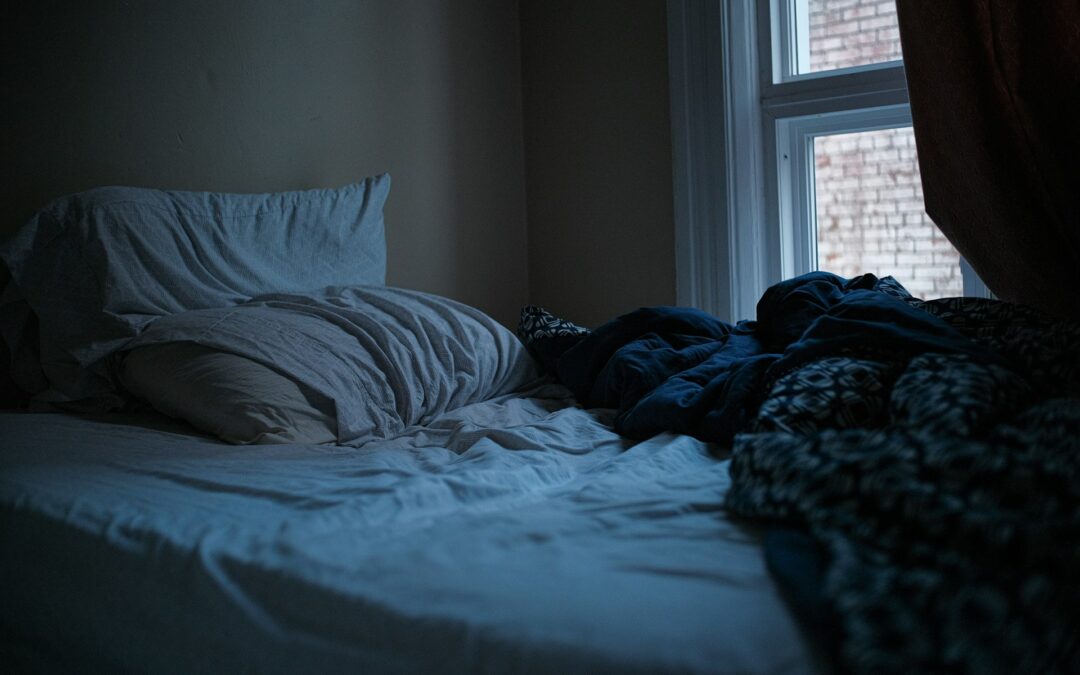
For many people, nighttime is supposed to be the most peaceful part of the day. The lights are off, the world is quieter, and the body is meant to soften into rest.
But if you’ve lived through trauma, night can feel anything but safe. Instead of calm, there may be alertness. Instead of sleepiness, there may be scanning. Instead of rest, your body may refuse to fully let go. This isn’t “overthinking.” It’s often hypervigilance at night—a nervous system that’s still protecting you.
What is hypervigilance, and why does it disrupt sleep?
Hypervigilance is your nervous system staying on high alert long after danger has passed. Trauma can teach the body that threat might appear at any moment, and nighttime can intensify that feeling—especially in the dark, when visibility is low and the mind is less distracted.
People often describe:
- Difficulty falling asleep even when exhausted
- Waking frequently to small sounds or environmental cues
- Feeling “on edge” as soon as the lights go off
- Needing the TV, phone, or lights on to feel safe or distracted
- Vivid dreams, nightmares, or sudden jolts awake
What looks like insomnia can actually be protection. If deep sleep once meant vulnerability, your body may struggle to trust that rest is safe now. You might tell yourself, “I’m safe,” but the body doesn’t respond to logic alone—safety has to be felt, not just understood.
This is not a personal failure, and it is not permanent. Hypervigilance is an adaptive response that helped you survive. The goal isn’t to fight your body—it’s to offer it consistent, gentle signals that it no longer has to stand guard alone.
5 Gentle Ways to Support Sleep When Your Nervous System Is on High Alert
These trauma-informed sleep tips are designed to help you calm your nervous system before bed—without forcing relaxation.
-
Create safety cues in your environment
What it is: Small signals that tell your body, “I’m safe right now.”
Try this: Use soft lighting instead of total darkness. Keep comfort items nearby (a familiar scent, calming music, a cozy blanket). If checking locks helps, do it once, then say out loud: “I checked. The doors are locked.”
Why it helps: Repetition reduces the nervous system’s need to stay on alert.
-
Use grounding that involves the body
What it is: Grounding through sensation rather than thinking.
Try this: Press your feet into the floor, tense and release muscles, hold something with a comforting texture, or use a weighted/heavy blanket if that feels soothing.
Why it helps: Trauma lives in the body; physical grounding can ease hypervigilance more directly than mental reassurance.
-
Contain nighttime worry
What it is: Giving anxious thoughts a “place to go” before bed.
Try this: Do a short “worry dump” earlier in the evening—write concerns down and choose one small next step (if any). Keep a notepad by your bed and remind yourself: “I’m not solving this at 2 a.m. I’ll return to it tomorrow.”
Why it helps: This helps reduce mental scanning and supports sleep after trauma.
-
Build a predictable wind-down routine
What it is: A repeatable transition from stimulation to rest.
Try this: Pick the same 2–3 steps nightly (dim lights, stretch, warm shower, gentle prayer/meditation, calming music). Consistency matters more than doing it perfectly.
Why it helps: Predictability increases felt safety for a nervous system shaped by trauma.
-
Know what to do if you wake up
What it is: A gentle plan for nighttime awakenings.
Try this: If you can’t fall back asleep after 10–15 minutes, get out of bed in low light and do something calming (breathing, grounding, a quiet activity). Use a “safe statement” like: “My body is trying to protect me. I’m safe right now.” Return to bed when drowsy.
Why it helps: Not forcing sleep lowers pressure and reassures the body that it’s still safe.
When to seek support
If sleep disruption continues for weeks or months—especially with panic at night, frequent nightmares, or impaired daytime functioning—trauma-informed therapy can help retrain the nervous system and reduce hypervigilance.
If you find yourself awake and alert when the world is quiet, know this: your body isn’t broken. It’s doing what it learned to do to protect you. With support and consistent signals of safety, it can learn something new: rest is allowed now.

Gina Rawashdeh
Gina is a Jordanian–Palestinian M.S. candidate in Clinical and Counseling Psychology at Chestnut Hill College. Fluent in English and Arabic, she brings a strong multicultural lens and deep sense of cultural humility to her clinical work. Her background includes experience in a psychiatric clinic in Jordan, as well as trauma-informed volunteer work in Philadelphia with survivors of domestic violence and individuals navigating homelessness. She is also engaged in community advocacy and research grounded in empowerment and healing for marginalized populations.
Her lived experience across three countries—Jordan, Spain, and the U.S.—informs her strong commitment to justice, inclusion, and mental health accessibility. Gina believes that every person deserves to feel seen, supported, and capable of meaningful change. She is especially passionate about working with clients from immigrant, refugee, and global-majority backgrounds, and is committed to offering therapy that supports connection, relief, and long-term growth.