
In today’s political and social context, undocumented adults are faced with daily anxiety about their future and the possibility of being forcibly separated from their families. The stress of potential deportation is not only a political or legal issue – it can become a serious mental health concern, affecting sleep, mood, concentration, relationships, and overall well-being.
Research suggests that living under the chronic threat of deportation can function like a “toxic stressor,” keeping the body in a prolonged state of high alert. Over time, this can take a real toll on the nervous system and the psychological well-being of individuals, families, and entire communities.
Understanding How Fear Impacts the Body and Mind
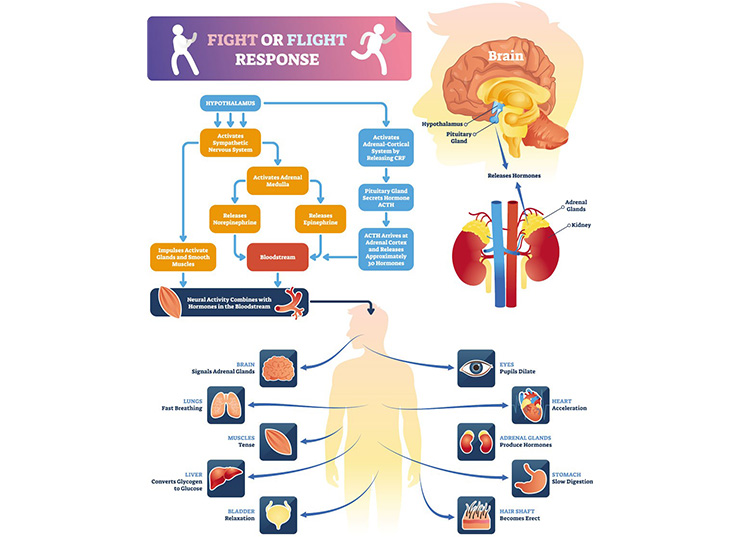
When you live with the daily fear of deportation and the anxiety around family separation, your brain’s alarm system, the amygdala, is constantly active. This triggers a "fight, flight, or freeze" response, even when no immediate threat is present. Common effects include:
- Nervous System Activation: Chronic fear can keep stress hormones elevated. Over time, this may contribute to symptoms such as physical exhaustion, headaches, digestive issues, and a weakened immune system.
- Hypervigilance: Many undocumented adults experience ongoing "vigilance behavior," meaning they feel on alert much of the time throughout their day. Some may avoid public spaces where ICE could be present (supermarkets, parks, schools, clinics/hospitals). While this can be an understandable response to a real threat, it can be exhausting for both mind and body.
- Psychological Impact: Studies have linked deportation-related fear with higher rates of anxiety, depression, and trauma-related symptoms.
Coping in the Face of Everyday Reality
Coping with deportation fear is unique because it is often rational and tied to real-world uncertainty. Helpful strategies should balance emotional regulation with practical safety and support.
Below are five coping tips to help reduce anxiety and support nervous system regulation. These are not legal advice – rather, they are mental health coping tools meant to help you feel more grounded and supported.
-
Build a “calm plan” for your body (nervous system regulation)
When anxiety rises, your body needs cues for safety. When you are feeling heightened anxiety, try one of these grounding techniques:
- 5–4–3–2–1 grounding: 5 things you see, 4 you feel/touch, 3 you hear, 2 you smell, 1 you taste.
- Extended exhale breathing: Inhale gently, then exhale longer than you inhale (for example: inhale 4 seconds, exhale 6 seconds).
These are simple, evidence-informed ways to calm the nervous system when you feel on edge.
-
Use “Know Your Rights” and safety planning to reduce helplessness
Feeling powerless fuels anxiety. While this is not legal guidance, many people find that learning about their rights and creating a family safety plan can reduce panic by increasing a sense of agency. Examples may include:
- Emergency contact list
- Plans for childcare pickup and communication
- Identifying trusted community organizations for support
Having a plan doesn’t remove the stress, but it can lessen the constant feeling of “what if?” and reduce fear of deportation anxiety.
-
Set boundaries with news, social media, and group chats
Constant exposure to distressing headlines, anti-immigrant rhetoric, and rapid-fire messages about raids can keep your nervous system in a state of constant activation. Consider the following tips:
- Choosing one trusted source and limiting checking times
- Muting or pausing WhatsApp/alerts when they spike panic
- Taking breaks from graphic or sensational content
Reducing media exposure is not avoidance; it’s protecting your mental health from ongoing re-triggering.
-
Strengthen protective connection (community is regulation)
Isolation increases anxiety and can intensify fear. Connection, especially with people who understand your reality, can be protective. Consider the following:
- A trusted friend/family check-in routine
- Faith communities, community centers, mutual aid groups
- Immigrant advocacy/rights organizations
Even one supportive relationship can reduce stress and help you feel less alone. This is especially important for immigration stress and anxiety.
-
Focus on what you can control today (values-based action)
When the future feels terrifying, returning to the present can be stabilizing. Try asking:
- What is one thing I can do today that supports my safety, health, or family?
- What is one small step that aligns with my values?
Other examples include: keeping routines, caring for your body, staying connected, attending appointments, and asking for help. These steps can reduce the sense of being trapped in fear and support daily functioning.
Seeking Support: Breaking the Isolation and Staying in Community
A major protective factor in coping with fear of deportation is support – both informal (trusted people) and professional (therapy or counseling). You deserve care during stressful times.
- Community and Faith Networks: Many people benefit from support through churches, community centers, and immigrant rights organizations. Staying connected can help reduce isolation and strengthen resilience.
- Culturally Responsive Mental Health Care: Therapy can help with anxiety, trauma symptoms, hypervigilance, sleep issues, and emotional overwhelm. If you seek therapy, consider looking for clinicians who are trauma-informed, culturally responsive, and familiar with the experiences of undocumented communities.
If you are experiencing persistent panic, numbness/shutdown, difficulty sleeping, or ongoing distress that is interfering with daily life, reaching out for mental health support can be an important step.
This post is for educational purposes only and is not a substitute for legal advice, therapy, or medical care.

Karla Martin-Gonzalez
Karla’s work is deeply rooted in the belief that mental health is a journey, not a destination. She is passionate about creating a safe, culturally responsive space where Latino immigrants, particularly those impacted by trauma and systemic oppression, can explore their inner lives and experiences. By honoring each person’s path and supporting their ongoing growth, Karla believes clients can experience profound shifts that lead to lasting healing, resilience, and the ability to live rich, meaningful lives.
Her educational background is rich and diverse, with training in social science, public policy, and public health, along with her current engagement in harm reduction research. She is also training as a Lacanian psychoanalyst at the Lacan School of Psychoanalysis and pursuing a Master’s in Clinical Mental Health at Thomas Jefferson University, focusing on community trauma and healing. Her work integrates a deep respect for the individual’s unique mental health journey, emphasizing that true healing is personal, transformative, and ongoing.